Water-Based
Typically used for suitable Class A fires involving ordinary solid combustibles such as paper, wood and textiles. Not suitable for live electrical equipment or flammable-liquid fires.
Portable fire extinguishers are an important part of a site’s first-response fire protection. The suitable extinguisher depends on the potential fire risks, materials present and the environment where it will be used.
Fire extinguishers are designed for specific types of fire. Choosing the wrong agent can be ineffective or hazardous, so equipment should be selected following a site risk assessment and applicable local requirements.
SAFEX PRO can discuss your premises, likely hazards, equipment placement and ongoing inspection needs to help you plan suitable fire protection provisions.
Discuss Your Requirements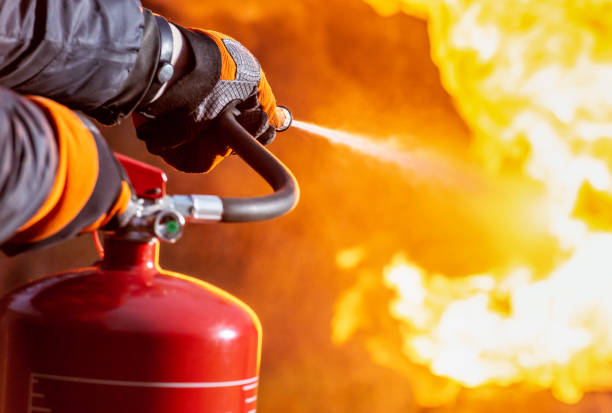
Extinguisher suitability depends on the fire classification and site-specific hazards. The following are common categories; final selection should be confirmed by a competent fire-safety professional.
Typically used for suitable Class A fires involving ordinary solid combustibles such as paper, wood and textiles. Not suitable for live electrical equipment or flammable-liquid fires.
Used for certain solid combustible and flammable-liquid fire risks, subject to the product rating and site conditions. Check suitability before use.
Commonly selected for a range of Class A, B and C risks, depending on the extinguisher rating. Powder residue may affect equipment and visibility.
Often used for suitable flammable-liquid and electrical-equipment risks. CO₂ can create an asphyxiation hazard in confined spaces.
Designed for certain cooking-oil and fat fire risks, especially in commercial kitchen environments, when correctly rated for the application.
Review the occupancy, hazards, extinguisher ratings, placement, access, signage and applicable standards before deciding on the equipment.
A fire extinguisher is useful only when it is appropriate for the hazard, accessible and maintained. The service plan should reflect the equipment manufacturer’s instructions and applicable regulations.
Extinguishers are for trained users to tackle only small, incipient fires when it is safe to do so and an escape route remains available. Raise the alarm and evacuate if a fire is spreading or conditions are unsafe. Never use water on live electrical equipment or burning cooking oil.
Equipment choice and maintenance must follow applicable local fire-safety requirements and manufacturer guidance.
Tell us about your building, occupancy and fire risks so we can discuss suitable next steps.
Contact SAFEX PRO to discuss your site and request a quotation.